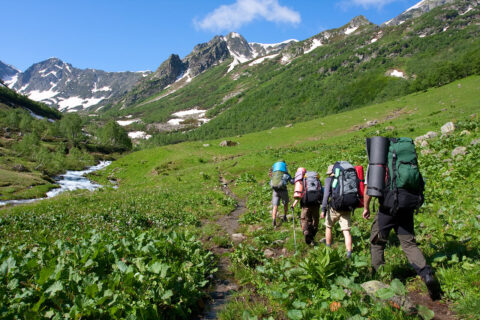
Outdoor adventures don’t always go as planned. A blister, sprained ankle or upset stomach might not be a big deal — until you’re miles from the trailhead. A well-built first aid kit (FAK), and the knowledge to use it, can make all the difference when something goes wrong.
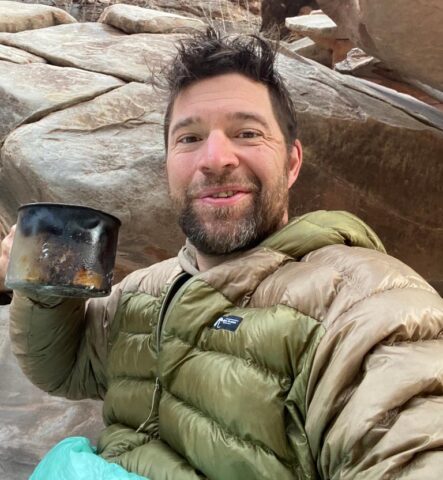
Josh McNary knows this better than most. As a senior Wilderness Medicine instructor with NOLS (National Outdoor Leadership School) — one of the most respected organizations for wilderness education and backcountry medical training — he’s spent decades teaching people how to handle medical situations in remote places.
Hear from Josh on how to dial your own outdoor-ready first aid kit.
My expertise comes from a 30-year outdoor education career, with 24 years as a NOLS Field and Wilderness Medicine instructor. I’ve taught over 400 weeks for NOLS and led wilderness expeditions on 5 continents. I’m a senior Wilderness Medicine instructor, having taught over 6,000 students on courses ranging from WFAs to WEMTs. I currently oversee training and support for 320 of the finest Wilderness Medicine educators in the business.”
Josh McNary NOLS Wilderness Medicine Instructor
First, think about what you’re preparing for
Before you can decide what to put in your first aid kit, it helps to understand what you’re actually preparing for. In the outdoors, many first aid situations are minor issues that become more challenging when you’re far from help.
When packing your first aid kit, “you’ll think about what injuries or illnesses you are likely to experience and prepare accordingly,” says Josh.
According to the data, the most common issue is GI ailments. One cannot take camp hygiene too seriously. Do not share utensils. Pour food into your hands, rather than reaching into the bag. Wash your hands after pooping and before cooking.”
Josh McNary NOLS Wilderness Medicine Instructor
“Your first aid kit should be optimized around managing these conditions in your chosen environment,” he adds. So, as you’re choosing supplies, think about these common problems and the realities of your trip.
Outdoor adventures are most likely to run into these problems:
Gastrointestinal (GI) illnesses
Minor cuts
Blisters
Muscle injuries, like sprains and strains
Customize a pre-made kit
There are two approaches to putting together a FAK: start with a pre-made kit and customize it, or build one from scratch.
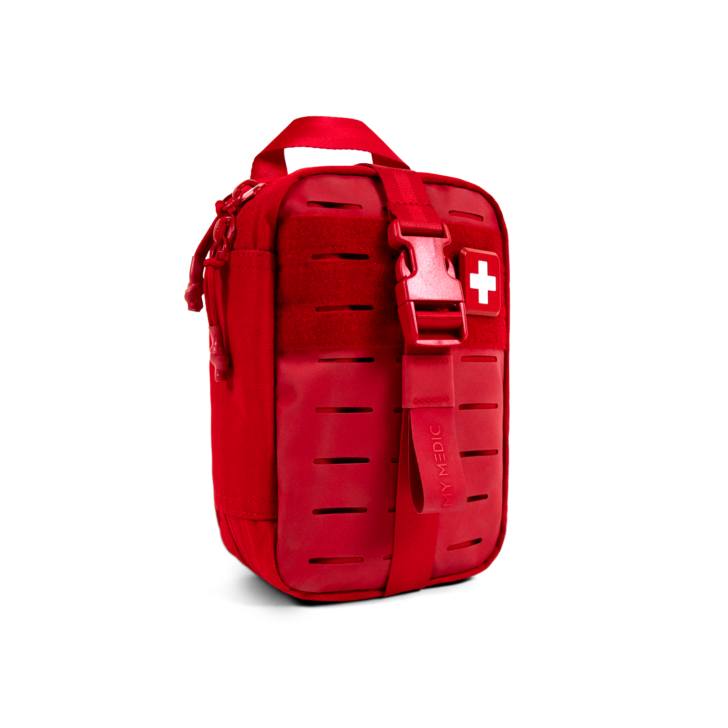
A ready-made kit gives you a head start with the basics already packed. Then you can upgrade, swap or add items to match how you spend time outside.
Here’s the kit ExpertVoice members like to start with, plus Josh’s suggestions for improving it.
“Better than anything I own! I had the opportunity to shoot with one of these for the first time a bit ago. I was seriously impressed. I own a few scopes that cost a bit more than this, and the glass in the Midas Tac Gen 2 is better. I was able to shoot out to 1,000 yards for the first time, and with this optic, I didn’t have any trouble walking the rounds in to get my first impact at 1,000 yards on the third shot. I think it would be hard to beat for the price.”
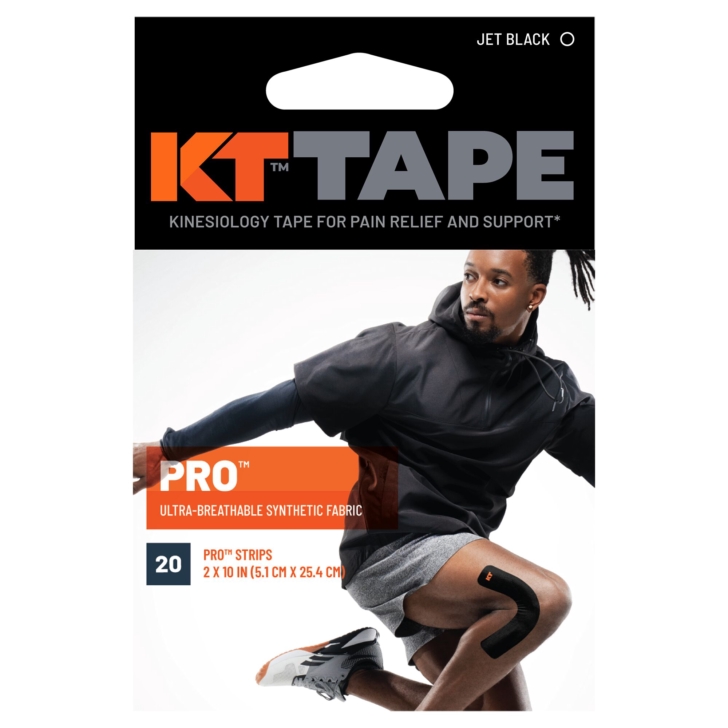
“Josh says tape is one of the first things worth upgrading. “Leukotape and KT Tape are far superior to standard white cloth tape. One kind of tape likely won’t meet your needs, so it’s wise to have a selection.”
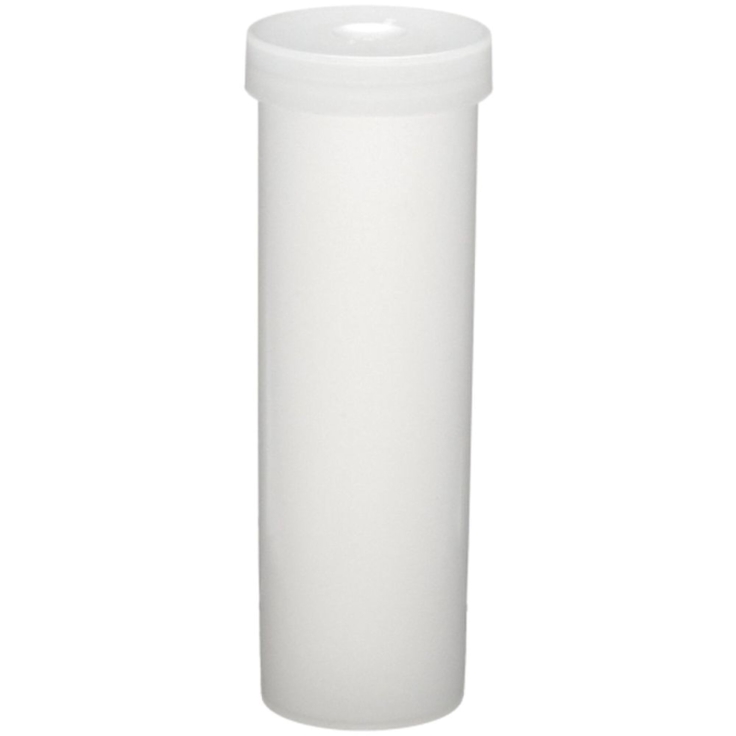
“Many pre-fab kits come with single-use packs of medications, which are fine until you’ve used them.” Josh recommends repackaging medications into 0.5–1 oz Nalgene containers and labeling them clearly with a Sharpie.”
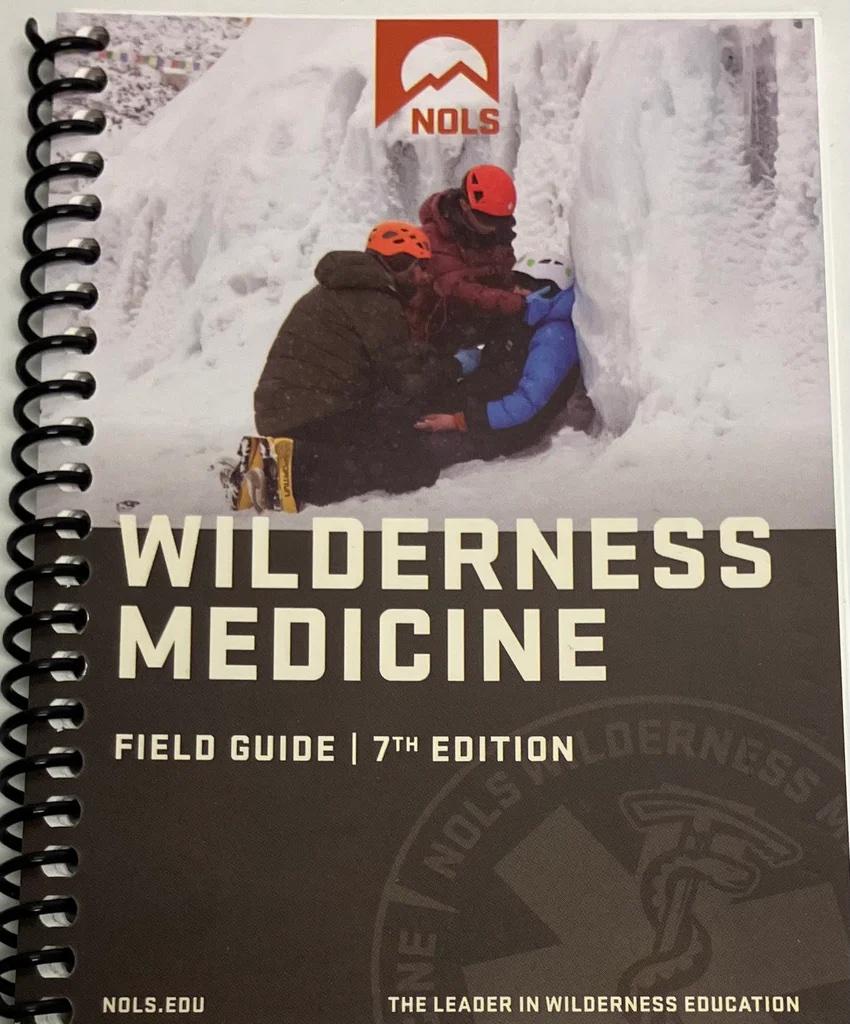
According to medical-related retention studies, “even the most experienced practitioners benefit from a reference resource,” says Josh. If your kit doesn’t include a guide, add one (like the NOLS Wilderness Medicine Field Guide).”
Build a kit from scratch
This approach gives you full control over what you carry and helps you know exactly what you have and how to use it.
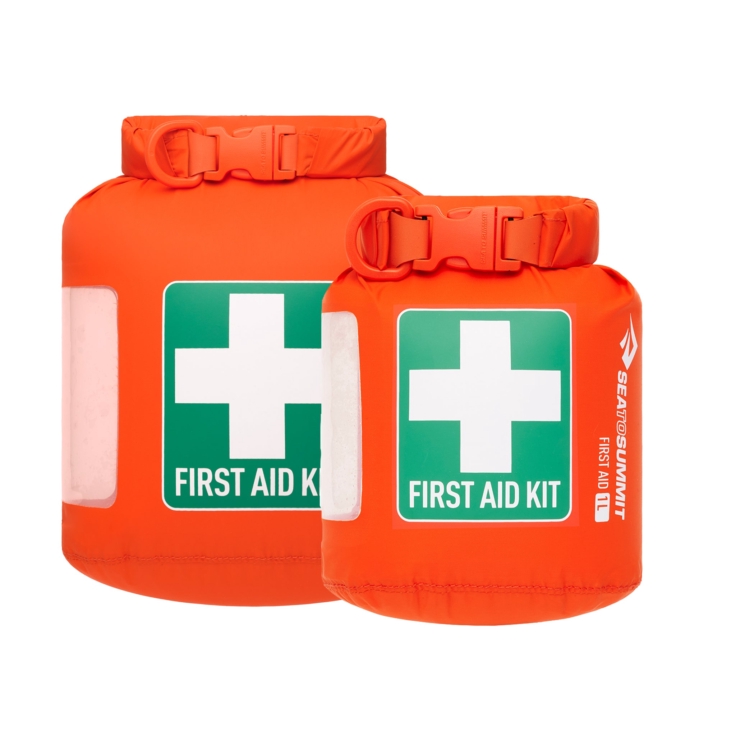
Start with a durable, weatherproof container, like this one from Sea to Summit.
Then add supplies that match your activities, environment and group size. To help you get started, we asked Josh for his go-to list of first aid essentials. “This is a generic list optimized for expeditionary wilderness travel, prioritizing items that are tricky to improvise and/or that simplify care of common injuries.”
This bag keeps contents dry, visible and easy to access. It’s lighter and more packable than bulky hard cases, and can be secured to boats, bikes or packs.
As you work through the checklist, keep these factors in mind.
Trip length and group size: You’ll notice Josh’s checklist doesn’t include specific quantities. That’s because you should scale your kit based on how long you’ll be out and how many people are in your group.
Additional gear or tool: “If one were to carry a firearm or work with chainsaws, one should add specific bleeding-control tools,” says Josh.
Medications: Josh’s list doesn’t include medications, as those can vary widely depending on access, trip goals and personal needs. That said, many kits include pain relievers (ibuprofen, acetaminophen and/or aspirin), antihistamines and anti-diarrheal medicine.
An experts’ five first aid essentials
Ideally, your first aid kit has everything you need for common backcountry problems. But if space were limited, what would an expert prioritize?
We asked Josh what he’d pack if he could only carry five items in his first aid kit.
Here’s which ones made the cut — and might be worth adding to your kit, too.
Leukotape: Strong, durable and versatile, Leukotape can handle everything from blister prevention to securing bandages. “And this adhesive works great on human skin,” Josh adds.
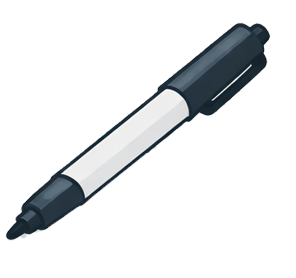
Sharpie marker: A Sharpie might not be medical gear, but Josh calls it one of the most underrated items in his FAK. It’s useful for “taking notes and documenting trending vital signs,” and it writes on most things — helpful when you need to record anything related to patient care.
Aquatabs: These small, easy-to-pack water purification tablets disinfect water, which isn’t just important for drinking, but also critical for wound care.
Plastic bag: Josh carries a plastic bag to keep important items protected from water and, in a serious emergency, “it can cover an open chest wound.”
Tylenol: “Because I’ve worked in outdoor education for a long time and my body needs all the help it can get.” But Josh said if he had allergies, he’d swap this for an antihistamine.
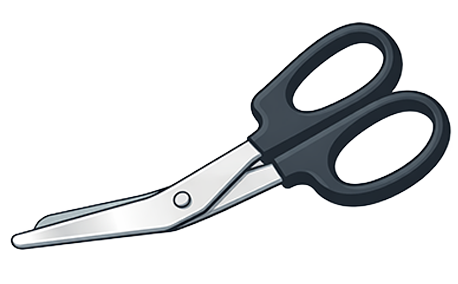
Scissors (honorable mention): “They can be small or large, but it’s wise to save your knife for other tasks,” he says. Plus, with scissors and a patient’s T-shirt, “you can quickly generate an enormous elastic bandage.”
A story from the field
First aid knowledge can also help you solve unexpected problems in the field. Josh recalls one trip where a small piece of knowledge — and an even smaller item — made a painful situation easier to manage.
While leading a backpacking course in rural India, Josh accidentally cracked a dental cap while eating dinner. The exposed nerve caused intense pain, and help was days away. Fortunately, he remembered a trick learned in his first Wilderness First Responder (WFR) course.
I had learned that sugarless gum can be used to cover an exposed dental nerve, and had been in the habit of packing a stick of gum since. That lone stick of mint gum had traveled many miles over the years and did not inspire confidence, but with a little chewing, it softened right up. I packed it over the offending tooth and the pain instantly diminished.”
What’s essential and what’s a luxury is a hotly debated topic for backpacking. This guide is a curated selection of the essentials most experts recommend you bring on a weekend backpacking trip. And if you have space, don’t forget to squeeze in your favorite luxury item, too. Backpack The best backpacking backpack is the one […]
Running is full of lessons. Some you learn mid-stride and others after the blisters, soreness or dehydration sets in. Hi, I’m Alisha, a trail runner who has figured out what I need and what works best for me the way most runners do — by messing it up first. To help us all run smarter, […]
We use cookies to enhance your experience on ExpertVoice, as explained here. By clicking "Accept All", you consent to the use of all cookies or click "Cookie Settings" to manage preferences. Accept AllCookie Settings
Cookie Policy
Privacy Overview
We use cookies to enhance your experience on our platform. Required cookies ensure basic functions, like security and login. Optional cookies help us enhance and personalize your experience. Optional cookies are stored with your consent, but opting out may affect your browsing. See our Privacy Policy for details.
Required cookies are essential for the website to function properly. This includes basic functionalities and security features of the website. These cookies do not store any personal information.
Optional cookies are used to provide a more personalized experience, including recommending brands and products we think you might be interested in. These are not required for basic website function.


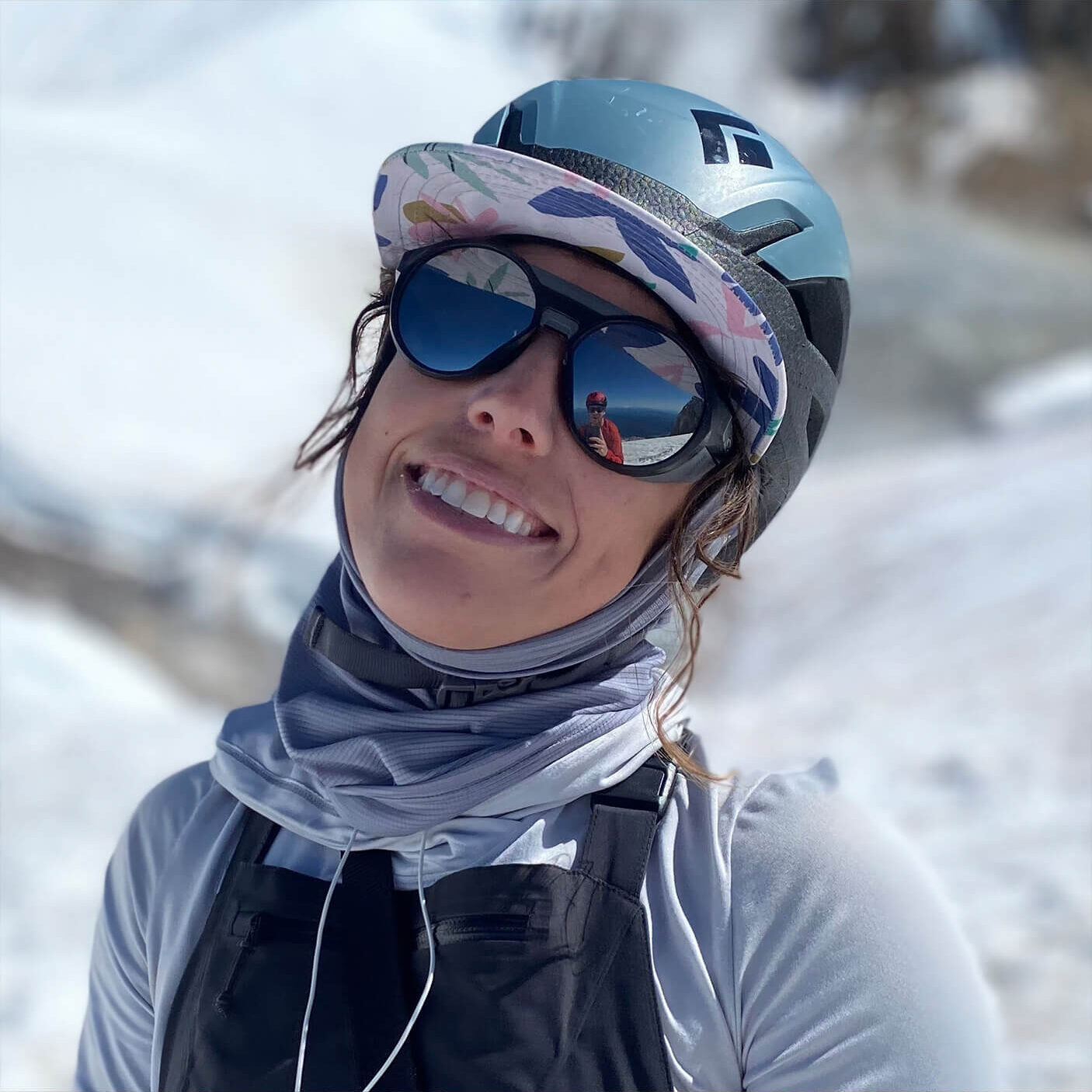
 Josh McNary knows this better than most. As a senior Wilderness Medicine instructor with NOLS (National Outdoor Leadership School) — one of the most respected organizations for wilderness education and backcountry medical training — he’s spent decades teaching people how to handle medical situations in remote places.