
The future of influencer marketing won’t involve influencers
The future of influencer marketing won’t involve influencers
Imagine if John Wayne had an Instagram account today. His profile picture shows him confidently smoking a Camel, with a simple caption containing a heartfelt testimonial: “I choose CAMELS for their flavor and for their cool, cool mildness.” But no one cares. No one feels the pull to go out and buy a pack.

Wayne’s comment section overflows with followers demanding to know what specifically he likes about Camels, how they compare to other brands he’s tried, and whether Camels are made from organically-grown tobacco. In other words, it’s not enough for consumers that Wayne is a rugged looking smoker. He needs to be an expert smoker.
Imagining John Wayne’s Instagram channel illustrates just how much the history of influencer marketing has changed. It shows how the power to influence consumers has shifted from the exclusive to the everyday—from celebrity endorsements to consumer reviews.
Over the decades, marketing strategies have adapted to change with consumer expectations and savviness. Consumers of the 1950’s were more passive, had fewer choices, and less experience with marketing in general. Today’s consumers are an active part of the sales process, seeking information, asking advice, and searching for credibility in a sea of products and services.
Today, the internet connects the world, and product options overwhelm consumers. Facebook, YouTube, and Twitter function as online celebrity incubators, while traditional celebrities have fully carved out their corners of social media.
Online celebrities and Instagram personalities make up a big chunk of what’s considered “influencer marketing” today, but that influence now starts to wane as consumers increasingly view them as parts of a brand rather than advocates of it.
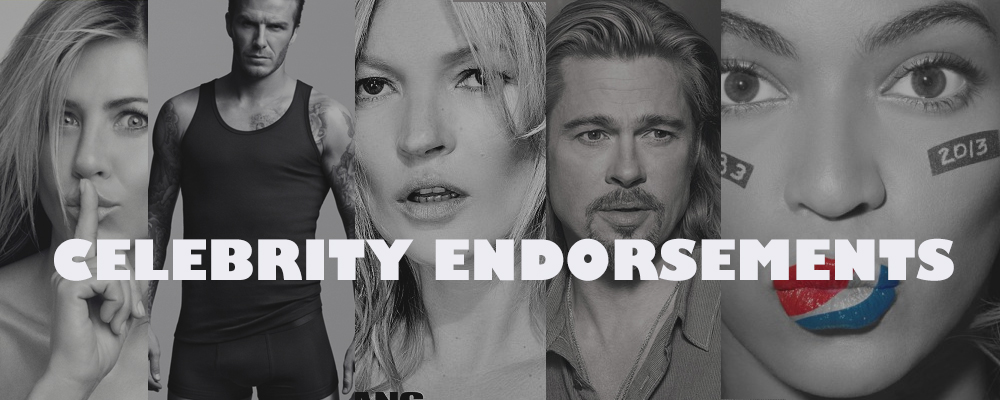
Rise and fall of celebrity influencers
In the early 20th century, fictional influencers like Santa Clause advertised Coca-Cola, and sports heroes like Babe Ruth sold Red Rock Cola. Consumers didn’t have many products or brands to choose from, so influencing their purchase decisions meant using two jolly characters to provide positive associations—excitement and success—with products.
The number of consumers increased in the 1950s. Product selection grew, and radio and TV created mass media. Marketing and its influencers changed too. Celebrities became the biggest brand promoters, with Hollywood icons like John Wayne influencing cigarette consumers by associating his already established, rugged persona with brands like Camel.
The partnership between Wayne and Camel’s brands was financially mutually beneficial, and consumers overlooked the financial motives, partly because the habit was such a huge part of his rugged on-screen persona. Today, however, consumers are more skeptical of celebrity and brand partnerships, and the celebrity landscape is so different that few celebrities enjoy the iconic stature Wayne did in the 1950s.

Consumers are now marketers
Consumers today are more savvy to sales pitches — they should be, given that they see around 10,000 brand messages each day — and understand basic marketing strategies. Traditional ads that happen to make it through to their overly-stimulated, eight-second attention spans become inauthentic noise. Ad blockers take care of the rest.
Effective influencers today need authenticity, expertise, and advocacy to reach consumers. Social media has opened new channels for brand advocacy. The more connected consumers are, the more opportunities they have to share their experiences and knowledge about products and services. Increasingly, consumers are trusting each other for recommendations on products rather than celebrities. Studies show that 26 percent of the general population become aware of brands through family and friends.
In a time when authenticity can’t be faked, experience can’t be substituted, and advocacy can’t be bought, the most powerful voices a brand can marshal are those of its own customers.

Advocacy marketing becomes the new celebrity marketing
Successful retail stores like REI focus more on investing in their customers and sales associates and less on lowering price and adding product selections.
Advocacy marketing takes a grassroots approach to word-of-mouth messaging. It empowers unpaid brand advocates and experts with the experience and knowledge they need to be trusted voices. It’s a long-term strategy that looks to increase brand awareness and sales through customer service and education. The best part is, advocates like the following are everywhere:
- Enthusiastic, highly-satisfied customers who freely recommend products to their friends and family members.
- Volunteer marketers who use their time and social capital to promote companies and causes.
- Retail sales associates who talk to more people than just customers in the store.
- Members of organizations who regularly meet with like-minded consumers who look for the best advice on products.
- Category professionals who pride themselves on knowing the latest and greatest product innovations.
- Experts who are trusted by consumers because their understanding goes beyond the basics.
Consumers are turning more and more to these types of micro-influencers rather than official brand messaging. According to a McKinsey Report, more than two-thirds of touch points in the buying cycle now involve consumer-driven information like online reviews and word-of-mouth recommendations from friends and family.
Every brand has potentially thousands of these unpaid advocates freely and consistently recommending their products and services. Finding and educating such high-value customers is how successful retailers are winning.

Why consumers trust experts
Experts are advocates who bring the level of authenticity and expertise demanded by today’s consumers.
Authenticity
Retail associates and category professionals engage in organic conversations online and in person about products. REI sales associates talk about mountain bikes every day. The topic is front-of-mind when they interact with others outside the store, when they’re home for the holidays, sharing their biking adventures online, or attending their local biking club meeting. For experts, conversations move to recommendations easily and naturally.
Credibility
Advocates like experts have the credibility consumers want in an influencer while meetup organizers gain the trust of their group’s members and the larger community. These types of advocates take advantage of opportunities to show their expertise every time they lead discussions, speak at conferences, or author a blog post. Experts manage their own credibility and build trust through the accuracy of their recommendations. Their friends and family don’t take it lightly and neither do they.
Influencer marketing has changed. Consumers changed it, but marketers haven’t caught up yet. Traditional influencers lack the credibility and authenticity today’s consumers demand. Savvy brands are trading in their short-term influencer campaigns for long-term advocacy programs. Retailers are investing in their customers and sales associates because they bring the most experience and best grassroots outreach potential.
The future of influencer marketing lies with advocates who exist outside of traditional ad campaigns. That is, brand influencers who aren’t financially influenced by brands themselves. American icons like John Wayne no longer carry the same cultural value when it comes to imbuing a brand with legitimacy. Changes in technology and social media have made little John Waynes of us all.

Related Posts



Four moms on raising kids who love the outdoors
Whether they’re coaching mountain bike teams, running 50Ks, paddling remote Canadian wilderness, or hitting the trails at sunrise, these four moms have made the outdoors a cornerstone of how they